
Table of Contents
Related Articles



Massachusetts Tick Season 2026: A Safety Update for ISCC Members
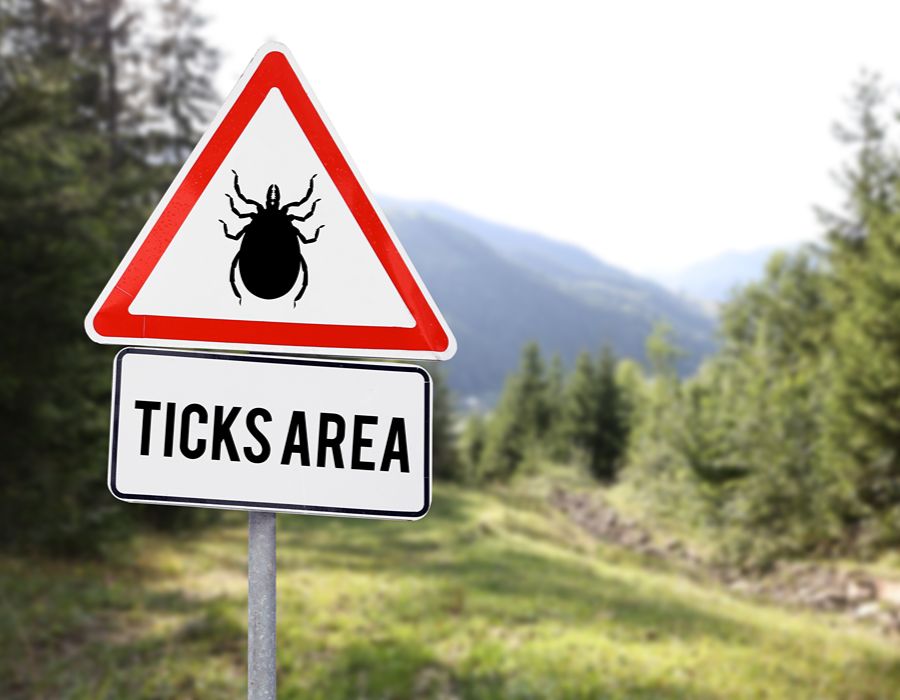
Ticks are having a bad-for-us kind of year in Massachusetts, and it started early. This is a companion update to our tick safety guide, refreshed for the 2026 season and written for the people who run independent schools and cultural institutions across the state. The prevention basics have not changed. What has changed is the risk level this summer and one new tick-borne threat now on the state’s radar.
Here is what member institutions should know, and what your staff can do about it right now.
Why this summer is different
Two things set 2026 apart from a typical season.
First, the numbers are up. The CDC reported this spring that emergency room visits for tick bites across the Northeast reached their highest levels in roughly a decade, and Massachusetts saw a sharp early spike. Tick activity in the state runs in two peaks, the first from March or April through August and a second in October and November, with most tick-borne illness cases landing between June and August. In other words, right now is peak exposure, and it arrived ahead of schedule.
Second, there is a newer threat worth flagging. As of April 1, 2026, alpha-gal syndrome became a reportable condition in Massachusetts. Alpha-gal is a tick-triggered allergy to red meat and other mammal products, linked to the lone star tick, which is expanding its range in the state. A reaction can show up hours after eating and range from stomach upset to a serious allergic response. It is still concentrated on Cape Cod and the Islands, but it is spreading, and it is a reason to take bites seriously even when they seem minor.
The common tick-borne diseases in Massachusetts remain Lyme, babesiosis, anaplasmosis, Borrelia miyamotoi infection, and the rare but serious Powassan virus. Most of these respond well to treatment when caught early, which is exactly why prevention and fast response matter.
Why this matters for schools and cultural institutions
A common assumption is that ticks are a hiking-trail problem. They are not. Ticks live anywhere there is grass, leaf litter, or brush, including manicured campuses, courtyards, athletic fields, garden beds, and even dune grass near the coast. Many people pick up ticks in their own yard.
For member institutions, that puts real people in the path of exposure:
- Grounds, facilities, and maintenance staff working in grass, mulch, and wooded edges
- Summer program, day camp, and enrichment staff supervising kids outdoors
- Athletics staff and coaches on and around fields
- Museum and garden staff who maintain outdoor exhibits, landscaping, or grounds
- Anyone leading field trips, outdoor education, or off-site work
The nymph-stage ticks most active in June and July are the size of a poppy seed and easy to miss, which is what makes a simple habit like a daily tick check so effective.
Preventing tick bites
The most reliable protection is keeping ticks off skin in the first place. Share these with staff who work or supervise outdoors:
- Use EPA-registered insect repellents containing DEET, picaridin, IR3535, Oil of Lemon Eucalyptus (OLE), para-menthane-diol (PMD), or 2-undecanone. Follow label instructions. Do not use products with OLE or PMD on children under three.
- Treat clothing and gear with 0.5% permethrin. It stays protective through several washings, and permethrin-treated clothing can also be bought ready-made. Treat boots, pants, and work gear, not skin.
- Cover up when practical. Long sleeves and long pants add a barrier. Tucking pants into socks and shirts into waistbands keeps ticks on the outside of clothing where they are easier to spot.
- Manage the grounds. Mow frequently, clear leaf litter, and cut back tall grass and brush around walkways, entrances, fields, and any area staff or students frequent. Discourage deer and other wildlife that carry ticks onto the property.
- Stay to the center of trails and paths on field trips or outdoor programs, and avoid brushing against tall grass and leaf litter.
Checking for ticks
A body check after outdoor time is the single highest-value habit here, because a tick removed quickly is far less likely to transmit disease.
- Do a full-body check after coming in from grounds work, fields, gardens, or any grassy or wooded area, including your own backyard.
- Check the easy-to-miss spots: in and around the hair, in and around the ears, under the arms, inside the belly button, around the waist, between the legs, and behind the knees.
- Check gear and clothing too. Ticks ride in on clothing and equipment and can attach to someone later.
- Kill ticks on clothing by tumble drying on high heat for 10 minutes. If clothes need washing first, use hot water. Cold and medium water will not kill ticks.
What to do if a tick bites
Have a simple, known process so staff are not guessing in the moment:
- Notify a supervisor, regardless of the type of exposure. Consistent reporting helps the institution track and respond.
- Remove the tick promptly with fine-tipped tweezers, grasping as close to the skin as possible and pulling straight up with steady pressure. Do not twist or jerk. If feasible, save the tick in a sealed container in case testing is needed later.
- Clean the area with rubbing alcohol or soap and water.
- Watch for symptoms for at least a month, even if none appear right away. Fever or chills, joint pain, muscle aches, headache, fatigue, or a spreading or bullseye-style rash all warrant a call to a medical provider. Mention the bite even if you never saw the tick.
- Seek care early if symptoms surface. For most tick-borne illnesses, early treatment is what prevents serious complications.
A note on where this fits
Preventing an injury or illness is always cheaper and better than managing one after the fact, for the employee and for the institution. Tick exposure is a small, manageable risk when staff have the right information and a simple routine. If you want help reviewing outdoor-work exposure, grounds practices, or staff safety communications for your campus, our loss control team is a resource ISCC members can use directly.
Questions or want a walkthrough for your institution? Reach Zachary Collins, ISCC Senior Loss Control Consultant, at zachary.collins@usi.com or 603-665-6056.
Frequently Asked Questions
Find answers about tick season, workplace exposure, alpha-gal
syndrome, and what to do after a tick bite.
When is tick season in Massachusetts?
Tick activity runs year-round but peaks twice: from March
or April through August, and again in October and November.
Most tick-borne illness cases occur between June and August,
so mid-summer is a high-exposure window.
Are ticks really worse in 2026?
Tick activity started early this year, and the CDC reported
that Northeast emergency room visits for tick bites reached
among their highest levels in roughly a decade this spring.
Massachusetts is consistently one of the highest-risk states
for tick-borne illness.
What is alpha-gal syndrome, and why does it matter this year?
Alpha-gal syndrome is a tick-triggered allergy to red meat
and other mammal products, linked to the lone star tick. It
became a reportable condition in Massachusetts as of April
1, 2026, meaning providers now report cases to the state. It
is most common on Cape Cod and the Islands but is spreading.
Where are staff most likely to encounter ticks on campus?
Anywhere with grass, leaf litter, or brush, including
athletic fields, garden beds, wooded edges, courtyards, and
coastal dune grass. Ticks are not limited to forests and
trails.
What should someone do after a tick bite at work?
Notify a supervisor, remove the tick promptly with
fine-tipped tweezers, clean the area, and monitor for
symptoms for at least a month. Seek medical care early if
fever, rash, aches, or fatigue develop.