
Table of Contents
Related Articles

Asbestos and Lead Awareness: Protecting Staff Who Work in Older Buildings
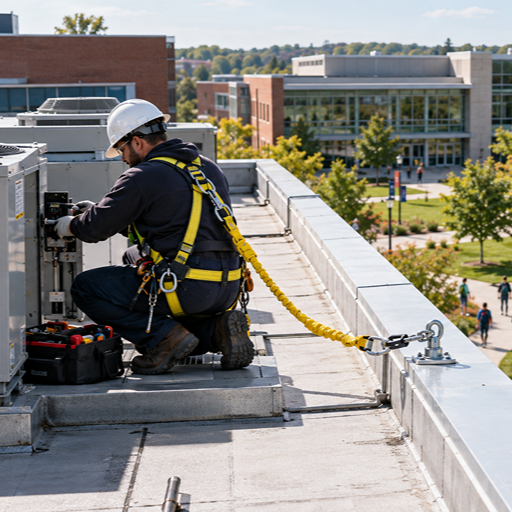
Many cultural institutions operate in beautiful older buildings that carry a hidden risk for the people who maintain them. Asbestos and lead were standard building materials for decades, and they remain in walls, pipes, floors, and painted surfaces across countless campuses. The staff most likely to disturb these materials are the same people who keep your buildings running: your maintenance teams, custodians, and facilities workers.
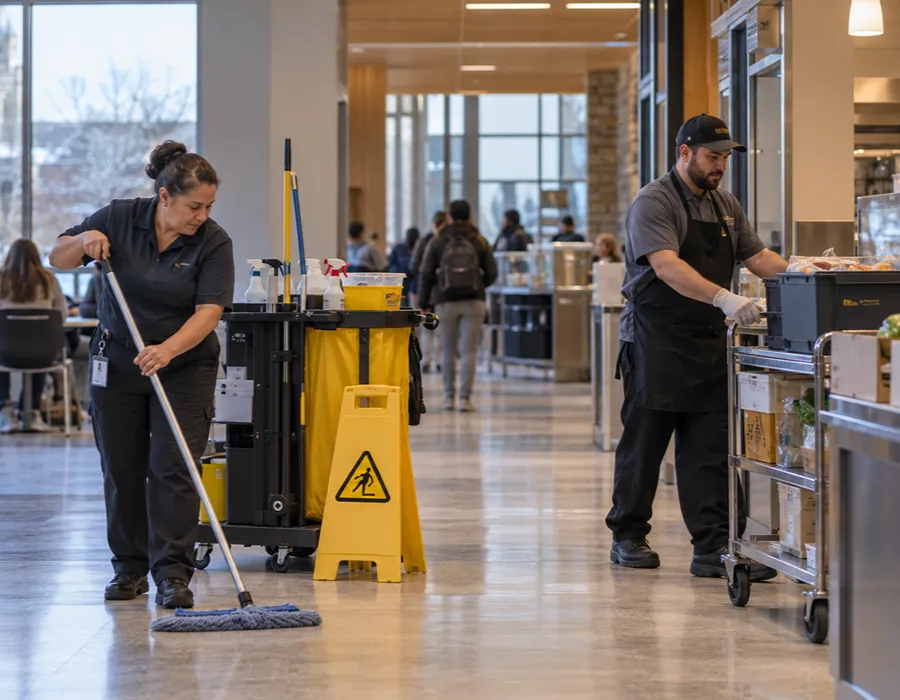
A teacher in a historic classroom faces little risk from intact materials. The custodian who drills into that wall to hang a shelf, or the maintenance worker who cuts into old pipe insulation during a repair, faces a different situation entirely. These employees encounter hazards during routine work, often without realizing it, and the health consequences can take decades to appear.
Why Older Buildings Carry Real Risk
The age of your buildings tells you a great deal about the exposure your staff may face. OSHA presumes that thermal system insulation and surfacing material found in buildings constructed no later than 1980 contains asbestos. Lead appears commonly in paint, pipes, and soil at properties built before 1978.
The scale of this exposure is substantial. Legacy asbestos materials remain present in millions of buildings constructed before 1980, creating ongoing exposure risks for an estimated 1.3 million workers who encounter asbestos-containing materials in their jobs. If your buildings predate 1990, you should assume that cleaning and maintenance personnel will come into contact with these materials during their work.
Where Asbestos Hides
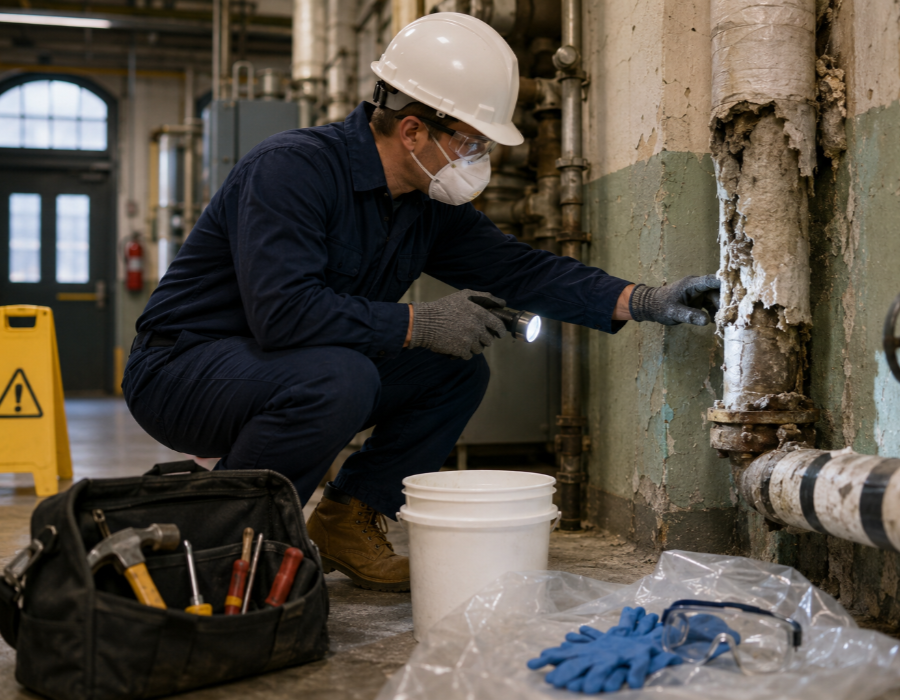
Your staff may encounter asbestos in pipe and boiler insulation, sprayed-on fireproofing, ceiling tiles, floor tiles, roofing materials, and the adhesives holding flooring in place. The material poses little danger when it stays intact and undisturbed. The danger comes when someone drills, cuts, sands, or breaks it, releasing fibers into the air that workers then breathe.
Where Lead Shows Up
Lead turns up in old paint, plumbing solder, stained glass, and contaminated soil. Maintenance work that disturbs old painted surfaces through sanding, scraping, or demolition can release lead dust that staff inhale or carry home on their clothing.
The Health Stakes for Your Employees
These materials cause serious, lasting harm. Asbestos exposure leads to lung diseases including asbestosis, mesothelioma, and lung cancer, often appearing many years after the exposure occurred. Asbestos-related diseases claim approximately 40,000 lives annually in the United States, with mesothelioma alone causing over 2,200 deaths each year. Lead exposure causes neurological damage, kidney problems, and other health effects that build over time.
The delayed nature of these illnesses creates a particular challenge. A worker exposed today may show no symptoms for twenty or thirty years, which makes it easy to overlook the risk during daily operations. That delay does not reduce your responsibility to protect staff, and it does not reduce the eventual workers compensation and liability exposure your institution faces.
What OSHA Requires
Federal regulations set clear obligations for protecting workers who may contact these materials.
For asbestos, employers must ensure that no employee is exposed to an airborne concentration above 0.1 fibers per cubic centimeter as an 8-hour time-weighted average. Employees performing asbestos-related work must be trained before or at their initial assignment and at least annually after that.
The training requirement reaches further than many institutions realize. Maintenance and custodial activities where employees contact but do not disturb asbestos-containing material fall under OSHA’s classification system and carry their own training obligations. Your custodial and maintenance staff need awareness training even when their job does not involve removing these materials, because recognizing the hazard is what keeps them from accidentally disturbing it.
Building a Protection Program
Survey Your Buildings First
You cannot protect staff from hazards you have not identified. Have a professional firm inspect your older buildings to determine where asbestos-containing materials exist and the potential exposure level for cleaning, maintenance, and repair workers. Document what you find, including the location and condition of these materials, and keep those records accessible to the staff who need them.
Where testing has not been done before work begins, the safest approach is to presume the material is hazardous and apply conservative controls until proven otherwise.
Train the Right People at the Right Level
Match your training to the work each person performs. Custodians and general maintenance staff need awareness training so they recognize suspect materials and know to stop work and report concerns. Anyone performing actual abatement needs specialized certification through accredited programs.
The goal of awareness training is straightforward. When your staff can identify a material that might contain asbestos or lead, they know not to drill into it, sand it, or break it, and they know who to call instead.
Never Let Untrained Staff Disturb Suspect Materials
This single rule prevents most exposure incidents. When a repair or renovation involves materials that might contain asbestos or lead, the work stops until a qualified professional assesses the situation. A custodian should never decide on their own to cut into old pipe insulation, and a maintenance worker should never sand old paint without knowing what is in it.
Control Take-Home Exposure
Workers who contact these materials can carry fibers and dust home on their clothing, putting their families at risk. Provide proper protective equipment, establish protocols for handling contaminated clothing, and make sure staff understand why these steps matter.
The Business Case
Beyond protecting your employees, a sound program shields your institution from significant liability. OSHA penalties for asbestos-related violations range from roughly $15,000 to $156,000 per violation depending on severity, and lead exposure cases trigger workers compensation claims, increased insurance premiums, and potential litigation.
The delayed onset of these illnesses means a claim filed twenty years from now could trace back to a preventable exposure happening on your campus today. Proper identification, training, and controls protect both your workforce and your institution’s long-term financial health.
Your Action Plan
This Week:
- Identify which of your buildings predate 1980 and flag them for assessment
- Confirm whether prior asbestos or lead surveys exist for these buildings
- Remind maintenance and custodial staff to stop and report before disturbing suspect materials
This Month:
- Schedule professional inspections for older buildings that lack current surveys
- Provide awareness training to all custodial and maintenance staff
- Document the location and condition of known hazardous materials
This Quarter:
- Develop written procedures for responding when staff encounter suspect materials
- Establish protocols for protective equipment and contaminated clothing
- Build a recordkeeping system for surveys, training, and any exposure monitoring
The Bottom Line
The historic character that makes your campus special also carries hidden risks for the people who maintain it. Your maintenance teams and custodians deserve to know what materials they work around and how to handle them safely.
A reliable program starts with knowing your buildings, training your staff to recognize hazards, and making sure no one disturbs suspect materials without proper assessment and protection. These steps protect skilled employees from illnesses that may not surface for decades, and they protect your institution from the substantial costs that follow exposure.
Need help assessing asbestos and lead risks across your older buildings? Contact the ISCC / FutureComp team to review your facilities and develop a protection program suited to your institution.