
Table of Contents
Related Articles

Accident Reporting Done Right: Essential Resources for ISCC Members
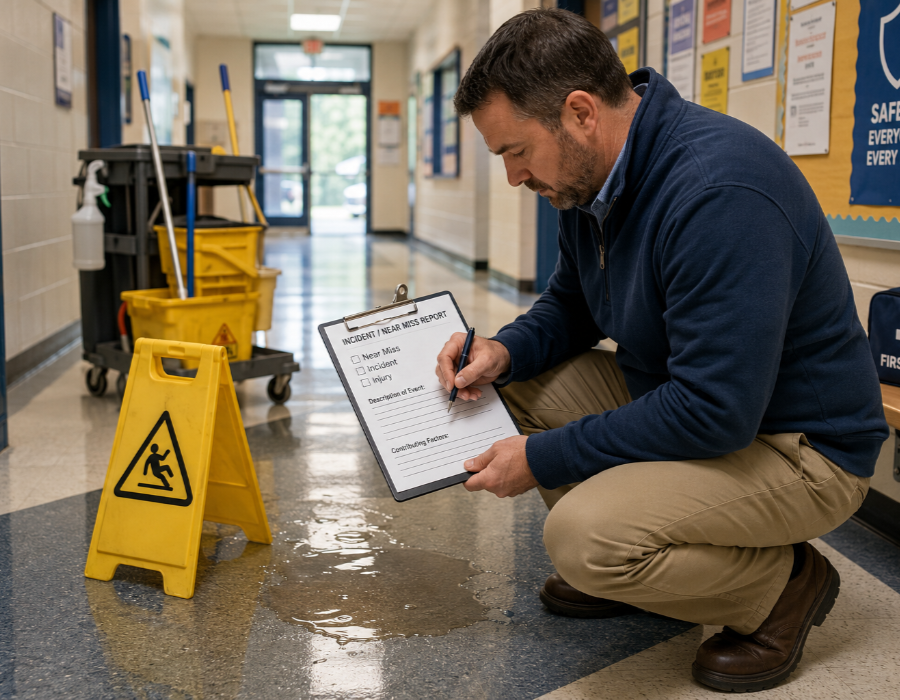
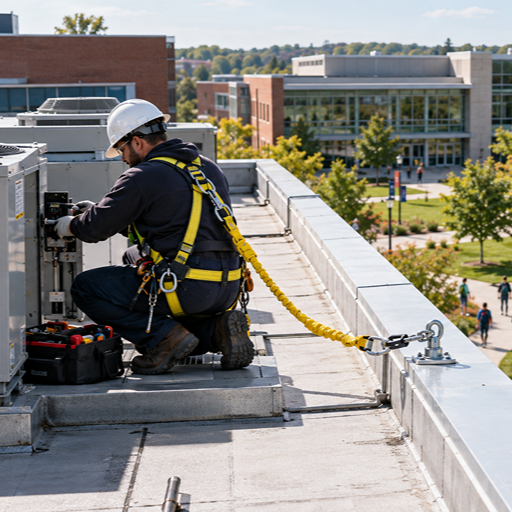
A slip that didn’t quite result in a fall. A ladder that wobbled but stabilized. A spill cleaned up seconds before someone walked through. These near miss incidents happen daily at your institution, and most go unreported. That’s a problem.
Research indicates that for every serious injury or fatality, there are about 300 near misses. For every 90 near miss incidents that take place, an accident will occur. Those unreported close calls represent warning signs of injuries waiting to happen.
Effective accident and incident reporting creates an early warning system that catches hazards before they cause injuries, provides legal protection if claims are disputed, and documents the foundation for preventing future incidents. ISCC and FutureComp have streamlined resources to make this process straightforward.
Understanding the Three Types of Reporting
1. Claim Reporting: When Injury Occurs
When an employee sustains a workplace injury requiring medical attention beyond basic first aid, you’re filing a workers compensation claim. This triggers specific documentation requirements and timelines.
Report claims through the FutureComp Resources page or log in to ISCC Member Claims Services. First time users need to request client login assistance via the “Request Client Login Assistance” link.
Critical: FutureComp handles all submissions to the Massachusetts Department of Industrial Accidents (DIA). Submit your DIA First Report of Injury/Fatality to FutureComp, not directly to DIA.
Available forms include the DIA First Report of Injury/Fatality (Form 101), First Injury Report Form, and FutureComp Accident Report Form.
2. Accident Reporting: Documentation and Investigation
How you document and investigate accidents determines whether they happen again. Proper accident reporting creates a contemporaneous record of what occurred, identifies contributing factors, and establishes a foundation for corrective action.
Key resources:
- Accident Report Employee Form: The injured employee’s account of the incident
- Accident Report Supervisor Form: Supervisor’s investigation and assessment
- FutureComp Accident Report Form: Comprehensive documentation for claim submission
Both employee and supervisor forms capture different perspectives. The employee knows what they experienced; the supervisor can assess contributing factors and determine corrective actions that prevent recurrence.
3. Incident and Near Miss Reporting: Your Prevention System
OSHA strongly encourages near miss reporting as a way to help employers prioritize hazard analysis and improve overall safety. A near miss is an unplanned event that didn’t result in injury or damage but could have under slightly different circumstances.
Heinrich’s established theory states that behind each major accident, there are 29 minor accidents, and behind each minor accident, there are 300 near misses. Documenting near misses prevents the major accident that will eventually follow if you ignore the warning signs.
Why Proper Documentation Matters
Legal Protection: Contemporaneous documentation carries far more weight than reconstructed accounts months later during litigation or claim disputes.
Claims Management: Accurate initial reports help FutureComp assess claims appropriately and manage costs effectively. Incomplete or delayed reporting can result in claim denials or disputes.
Experience Modification Impact: Proper documentation, timely reporting, and effective early intervention significantly reduce claim severity and duration, directly affecting your experience modification rate.
Pattern Identification: Systematic reporting reveals trends you’d otherwise miss. Three separate minor incidents in the same stairwell signal a serious hazard requiring immediate attention.
Building a Reporting Culture
The best reporting system is worthless if people don’t use it. Make reporting simple so staff know exactly which form to use and where to find it. Respond to reports with action. Nothing kills a reporting culture faster than submitting reports into a black hole.
Never punish near miss reporting. If an employee reports a near miss and faces discipline, you’ve guaranteed they’ll never report another one. Train supervisors on root cause analysis and identifying systemic issues rather than just blaming individuals. After investigating incidents, share findings and corrective actions with staff to demonstrate that reporting produces results.
Common Reporting Mistakes to Avoid
Don’t delay reporting while “gathering more information.” Report immediately with the information you have. You can supplement later, but delays create legal and regulatory problems.
Submit to FutureComp, not directly to DIA. FutureComp handles all DIA submissions for ISCC members. Duplicate filings create confusion and compliance issues.
Investigate beyond employee behavior. Most accidents involve multiple contributing factors including environmental conditions, equipment issues, or systemic problems. Investigation that stops at “employee error” misses prevention opportunities.
Don’t treat near misses as unimportant. The ladder that wobbled but didn’t fall is showing you exactly where your next serious injury will occur.
Accessing Your Resources
All ISCC members have access to comprehensive reporting resources through the ISCC member portal and FutureComp Resources.
First time users should use the “Request Client Login Assistance” link to establish access. Submit all DIA forms through FutureComp as they handle regulatory submissions.
Your Action Plan
This Week: Verify all supervisors know where to access accident reporting forms and confirm your FutureComp login credentials are current.
This Month: Train supervisors on proper accident investigation techniques and establish clear expectations for near miss reporting.
This Quarter: Analyze incident and near miss reports for patterns and implement corrective actions for identified trends.
The Bottom Line
Effective accident and incident reporting functions as your institutional immune system. It identifies threats, responds to injuries, and builds resistance against future harm. The 300 near misses you document today prevent the serious injury you won’t face tomorrow.
The forms are in your member portal. The process is established. The only question is whether you’ll use these resources before the next preventable injury occurs or after.
Questions about claim reporting? Contact FutureComp through the resources page. Need help establishing accident reporting procedures? ISCC’s risk control team can provide customized guidance.