
Table of Contents
Related Articles



Beyond the Shovel: Managing the Dangerous Thaw-Freeze Cycle on Campus
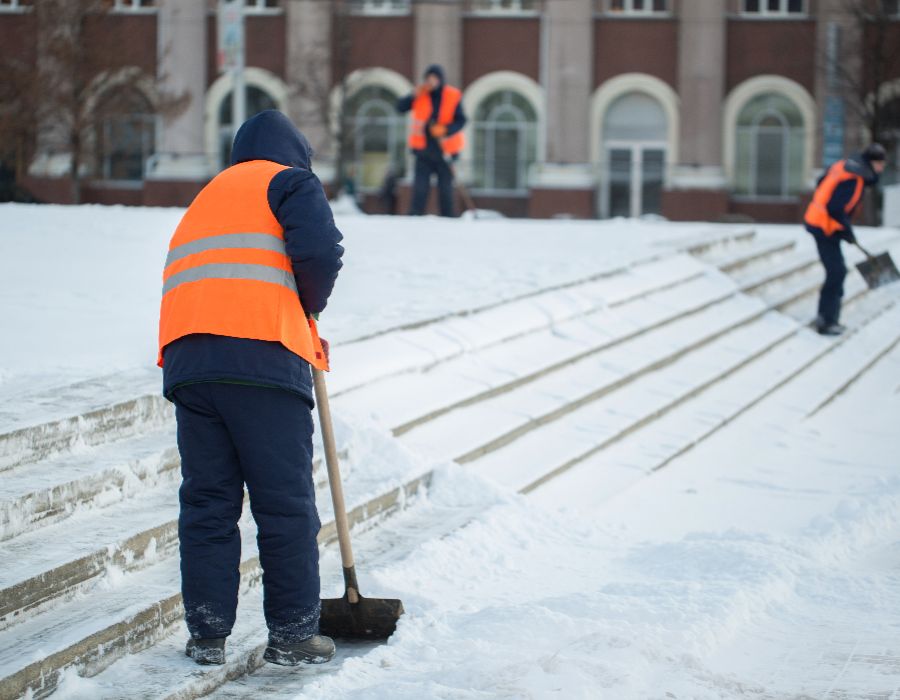
When we think about winter safety, our minds immediately go to the big storms with the heavy snow and the visible drifts. However, for those of us managing schools and cultural institutions, the real danger often starts after the shovel is put away.
In late winter and early spring, we enter a deceptive cycle where daytime temperatures rise just enough to melt snow, only for that runoff to refreeze into a glass-like sheet of black ice by the time staff arrives the next morning. These hidden hazards are a primary driver of workers’ compensation claims, but they are also largely preventable with a shift in strategy.
The Science of the “Hidden” Slip
Standard salt and sand applications work wonders during a storm, but the thaw-freeze cycle requires a more tactical approach. Melting snow from piles often runs across paved walkways. If your drainage is blocked by remaining ice, that water pools in low spots.
By 6:00 AM, that puddle is no longer water; it’s a transparent hazard. For an employee carrying bags or equipment into a building, it’s a recipe for a high-impact fall. We aren’t just looking at bruises here, these incidents frequently result in fractures and concussions that can keep a valued team member out of work for months.
Strategic Maintenance for the Transition
Instead of just reacting to new snowfall, facility managers should focus on “water pathing” during this time of year.
- Audit Your Drainage: Ensure that catch basins and drains are clear of debris so melting water has somewhere to go other than your sidewalks.
- The “North Side” Watch: Identify areas of the campus that remain in the shade. These spots will stay frozen long after the rest of the grounds have cleared, creating unexpected “micro-climates” of ice.
- Early Bird Scouting: Adjusting the schedule for a grounds lead to walk the primary entrances thirty minutes before the main staff arrival can identify new ice patches that formed overnight.
Protecting Your Team and Your Budget
At ISCC, we see the data: slip and fall claims are among the most frequent and costly incidents for our members. Beyond the physical toll on the employee, these claims impact your school’s experience mod and overall operational costs.
Utilizing our POPE (Post-Offer Pre-Employment) program is also vital during this season. If you are bringing on additional groundskeepers to help with the spring transition, ensuring they are physically capable of the high-demand tasks associated with ice removal and heavy lifting is your first line of defense.
Staying ahead of the thaw isn’t just about maintenance; it’s about a culture of observation. When we look at our campuses through the lens of shifting temperatures, we can keep our educators and staff on their feet and focused on their mission.