
Table of Contents
Related Articles

The Aging Workforce: Adapting Safety for Your Most Seasoned Staff

Independent schools and cultural institutions often rely on a dedicated, long-serving workforce. These employees hold the institutional knowledge that keeps our organizations running, but as the average age of the workforce climbs, so do specific risks associated with workplace safety and workers’ compensation.
While an aging workforce brings unparalleled expertise, it also changes the risk profile of your institution. Protecting these employees isn’t about their ability to do the job; it is about recognizing that recovery times and physical tolerances naturally shift over time. For ISCC members, being proactive about these changes is the best way to control claim costs and keep valued staff on the floor.
The Reality of Claim Severity
Statistically, older employees are often your safest workers. They take fewer risks and have a deeper understanding of equipment and campus layouts than new hires. However, there is a significant severity gap when an accident does occur.
A simple fall that might result in a minor bruise for a younger employee can lead to a fracture or a complex joint injury for someone in their 60s. Furthermore, the presence of comorbidities, common age-related factors like slower bone density or circulatory changes, means that the road to recovery is often longer. For an institution, this translates into higher medical costs and more lost time days, which directly impacts your experience modification factor.
Environmental Tweaks for Longevity
Maintaining a safe environment for an aging workforce often involves small, high-impact changes to the physical workspace. These adjustments make the campus more forgiving and help prevent the types of injuries that lead to long-term claims.
- Prioritizing Visual Clarity: As we age, our eyes require more light to distinguish depth and contrast. Simply upgrading to high-output LED lighting in stairwells, archives, and mechanical rooms can significantly reduce the misstep falls that occur in dim areas.
- Ergonomics Beyond the Office: We often focus ergonomics on desk workers, but it is equally vital for faculty and facilities staff. Providing height-adjustable podiums or long-handled tools reduces the repetitive bending and reaching that exacerbates age-related wear and tear on the back and shoulders.
- Reducing Friction in Daily Tasks: Evaluate the physical demands of daily routines. Are there heavy doors that could be automated? Are high-traffic areas clear of floor-level obstructions? Making the physical environment easier to navigate reduces the daily strain on joints and muscles.
A Culture of Support and Return-to-Work
Perhaps the most important factor in managing an aging workforce is the culture of the institution. Many long-tenured employees are notoriously hardworking and may feel a stigma around asking for help with physical tasks.
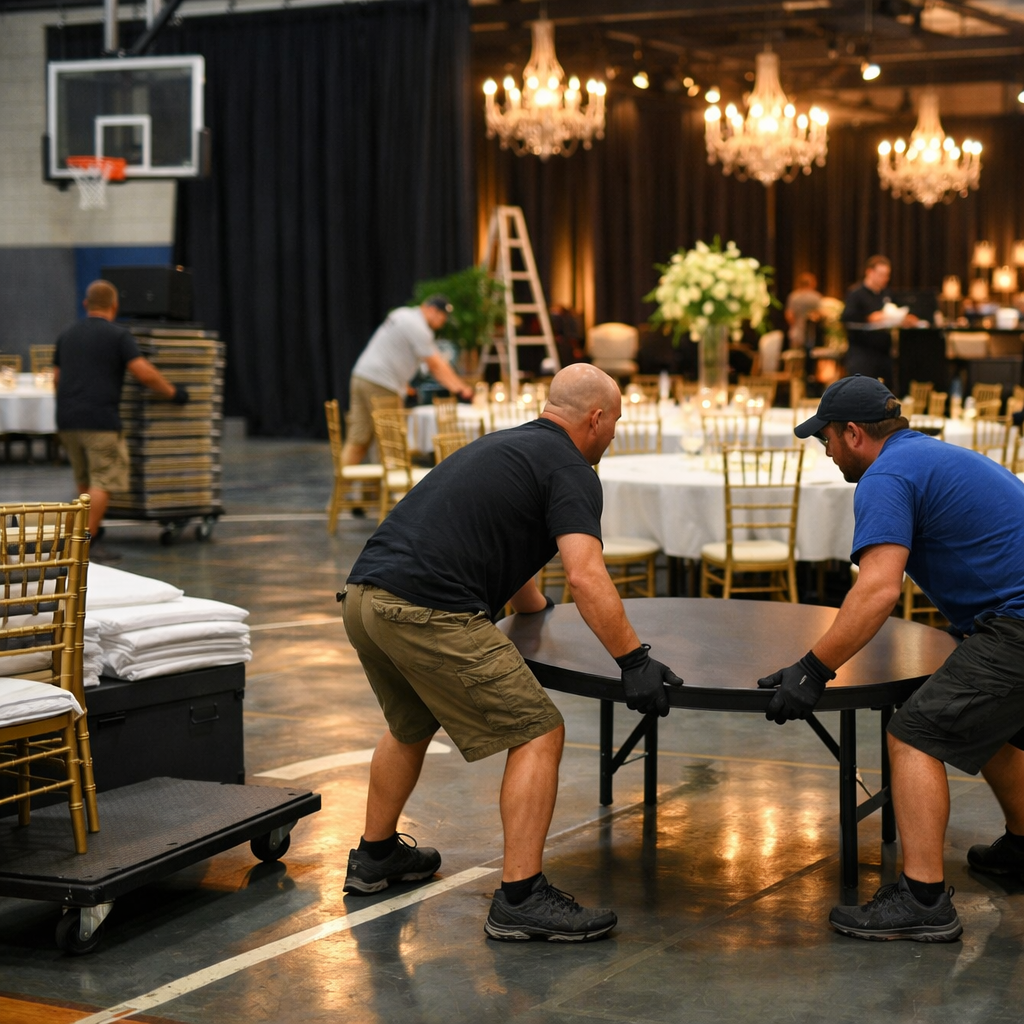
Normalizing “team lifts” and the use of mechanical aids—like carts and dollies—should be a standard for everyone, regardless of age. Additionally, if an injury does occur, utilizing the ISCC Return-to-Work protocols is essential. By offering modified duties early on, you allow an employee to contribute their vast knowledge to the school or museum while their body has the time it needs to heal properly.
The ISCC Advantage
At ISCC, we understand the specific demographics of Massachusetts schools and cultural centers. We aren’t just looking at the numbers; we are looking at the people who make your institution special. By addressing the needs of an aging workforce today, you ensure that your most experienced voices stay healthy, active, and present for years to come.